Carbon Black, Silica & Reinforcing Materials

ArticlesCarbon Black, Silica & Reinforcing MaterialsFeatured

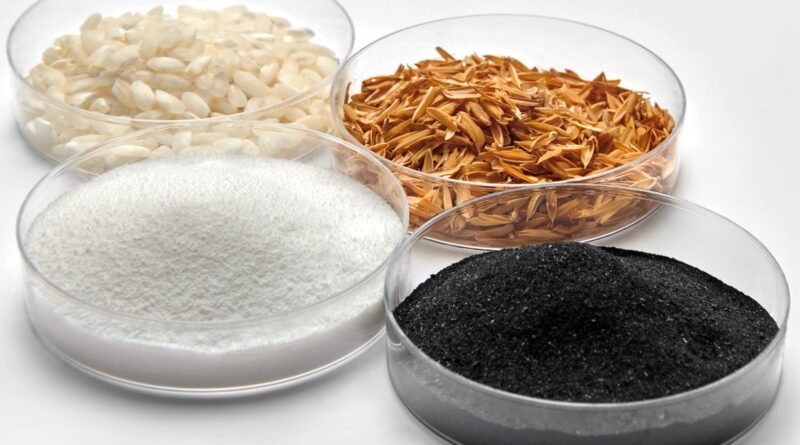
Evolution of silica to the sustainable Nzerosil series from renewable rice husk

One current goal of the tire industry is to replace all oil derived materials with sustainable products derived from renewable biomass sources. Silica can be directly obtained from eco-friendly sustainable materials of bio-origin, including rice husk (hull) and rice straw (dried leaf), cornflower, sorghum (grass flowers) and bagasse (sugar cane)

Read More
ArticlesCarbon Black, Silica & Reinforcing MaterialsFeatured

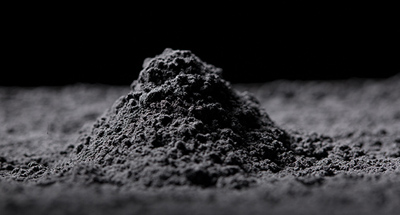
FDA approved low PAH thermal carbon black to meet regulatory requirements

Regulatory requirements targeted at polycyclic aromatic hydrocarbon (PAH) content in consumer rubber goods are becoming increasingly common. Developments in the formulations and raw materials used can help minimize the PAH content as needed to meet these requirements. Testing was completed comparing thermal carbon black Thermax N990 to Cancarb’s FDA approved, low PAH Thermax N990CG in a wide range of rubber compounds.

Read More
Carbon Black, Silica & Reinforcing MaterialsNewsrss1rssLinkedIn

Solvay inaugurates Europe’s first bio-circular silica facility in Italy

Solvay inaugurated its new bio-circular silica facility at its plant in Livorno, Italy, marking a major milestone in Europe’s industrial transformation toward sustainability. This investment positions Solvay as a proactive partner in achieving the European Green Deal objectives and the upcoming Ecodesign for Sustainable Products Regulation (ESPR), while reinforcing Italy’s role as a hub for green innovation.

Read More
Carbon Black, Silica & Reinforcing MaterialsNewsrss2

Cabot Corporation completes acquisition of Mexico Carbon Manufacturing S.A. de C.V. from Bridgestone

Cabot has long supplied Bridgestone with reinforcing carbon products, and this acquisition further strengthens the partnership between the two companies. In addition, this acquisition expands Cabot’s global manufacturing footprint and reinforces its position as a leading provider of reinforcing carbons. Strategically located near Cabot’s existing facility in Altamira, Mexico, MXCB not only enhances production capacity and operational flexibility but also offers the capability to manufacture a broader range of reinforcing carbon products. This flexibility enables Cabot to better support diverse customer needs and future growth opportunities.

Read More
Carbon Black, Silica & Reinforcing MaterialsNewsrss1

Dunlop and Cabot Corporation to explore commercial adoption of circular reinforcing carbon

DUNLOP has entered into a Memorandum of Understanding (MOU) with Cabot Corporation to evaluate the commercial adoption of circular reinforcing carbons made with Cabot’s patented regenerated carbon technology. This innovative circular reinforcing carbon powered by Cabot’s EVOLVE Sustainable Solutions incorporates reclaimed carbon derived from the pyrolysis of end-of-life tires and is being considered as a sustainable raw material for Sumitomo Rubber’s tire production.

Read More
Carbon Black, Silica & Reinforcing MaterialsMarket ReportsNewsrss2

United States carbon black market expanding rapidly

The Global carbon black market is at a tipping point, driven by eco-manufacturing mandates and every ounce of material science evolution in reinforcements. Valued at USD 21.85 billion in 2024, it is projected to reach USD 32.68 billion by 2032 at a steady 5.16% CAGR. North America, capturing nearly a fifth of the global share, spearheads expansion powered by tire and battery demand, while Asia Pacific benefits from production scale

Read More
Carbon Black, Silica & Reinforcing MaterialsNewsrss1rssLinkedIn

Silica in tires has enabled greater safety and sustainability in tires for 30 years

hirty years ago, Continental used silica for the very first time in its tread compounds for car tires. The properties of this filler revolutionized the driving safety and energy efficiency of tires. Rolling resistance has been significantly reduced, and braking distances have since been cut by nearly 50 percent. This was made possible by the special surface properties of silica, which can form chemical bonds with the rubber polymer. During vulcanization – the process in which the tire obtains its shape – silica, as well as other components, is responsible for the formation of a very strong network between the rubber molecules. The result is an elastic tire with excellent safety properties.

Read More