February 2026
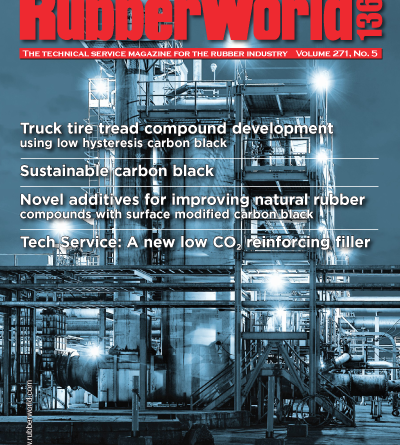
In the February issue of Rubber World we cover Carbon Black, Silica and Reinforcing Materials.
Read More
In the February issue of Rubber World we cover Carbon Black, Silica and Reinforcing Materials.
Read MoreOne current goal of the tire industry is to replace all oil derived materials with sustainable products derived from renewable biomass sources. Silica can be directly obtained from eco-friendly sustainable materials of bio-origin, including rice husk (hull) and rice straw (dried leaf), cornflower, sorghum (grass flowers) and bagasse (sugar cane)
Read MoreSustainability is no longer a new concept; it has become a global priority. While quality was the focus of the 1980s, globalization defined the 1990s, and the internet revolutionized the 2000s. The 2010s and after have been dominated by the idea of sustainability. Human survival depends on integrating sustainable practices into every aspect of life. The world is already witnessing alarming environmental changes: rising greenhouse gas emissions, depletion of non-renewable resources and widespread deforestation.
Read MoreThis article will explore the integration of UPM BioMotion RFF into various polymer applications, highlighting their potential to improve environmental
Read MoreRegulatory requirements targeted at polycyclic aromatic hydrocarbon (PAH) content in consumer rubber goods are becoming increasingly common. Developments in the formulations and raw materials used can help minimize the PAH content as needed to meet these requirements. Testing was completed comparing thermal carbon black Thermax N990 to Cancarb’s FDA approved, low PAH Thermax N990CG in a wide range of rubber compounds.
Read MorePatents from The United States Patent and Trademark Office compiled by the editors of Rubber World for February. Steel cord for rubber reinforcementU.S. patent: 12,351,980Issued: July
Read MoreThe February issue of Rubber World Magazine is now available online. This issue focuses on Carbon Black, Silica and Reinforcing
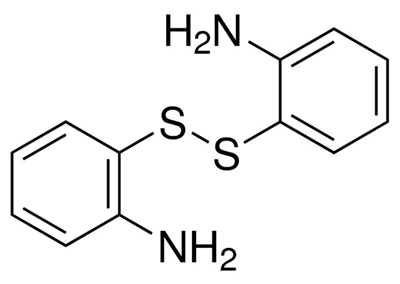
Read MoreAminophenyl disulfides (APDS) are easier to handle and benefit even higher performance elastomers in combination with surface modified carbon blacks.
Read MoreA method for producing a more sustainable carbon black (sCB) by producing it from a circular raw material instead of a finite raw material is presented. The method utilizes tire pyrolysis oil produced from end-of-life tires, said to be an attractive alternative feedstock source versus traditional petroleum products.
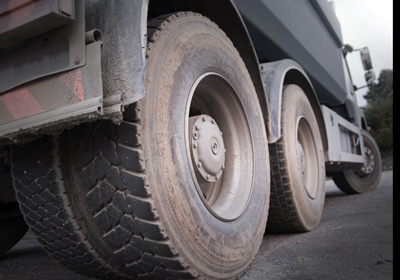
Read MorePerformance properties of a surface treated low hysteresis carbon black (Continext-LH) compound in a natural rubber tread formulation are compared with those of a conventional N234 low hysteresis version and show that the new material had significantly improved rolling resistance and directional improvement in damage resistance without negative effects or trade-offs in wet traction and wear resistance.
Read More