Compression molding simulation: Capabilities, features and industrial case studies
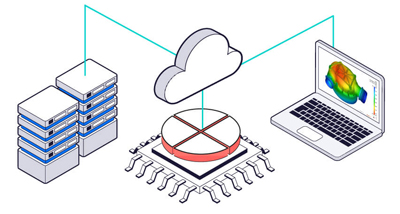
by Harshal Bhogesra, MoldEx3D. The MoldEx3D compression molding module provides a fully coupled simulation environment that replicates the filling, packing,
Read More
by Harshal Bhogesra, MoldEx3D. The MoldEx3D compression molding module provides a fully coupled simulation environment that replicates the filling, packing,
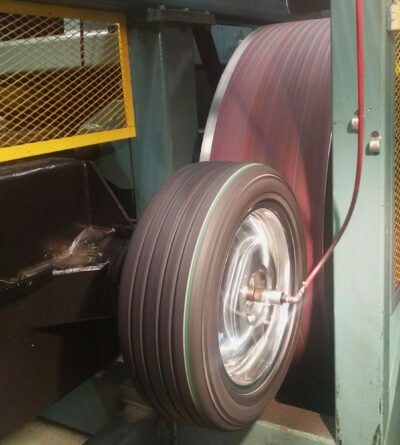
Read MoreThe project is developing new laboratory methods to analyze and predict tire wear under real-world conditions. By combining multiple collection and measurement techniques, researchers can precisely analyze both airborne and deposited tire particles.
Researchers have also developed tribological models that examine how load conditions, material properties, surface characteristics and particle formation interact. The models allow laboratory testing to more closely replicate real-world tire abrasion.
Read MoreThe significance of tire rolling resistance continues to grow in step with the rise of electric vehicles, maintaining its status
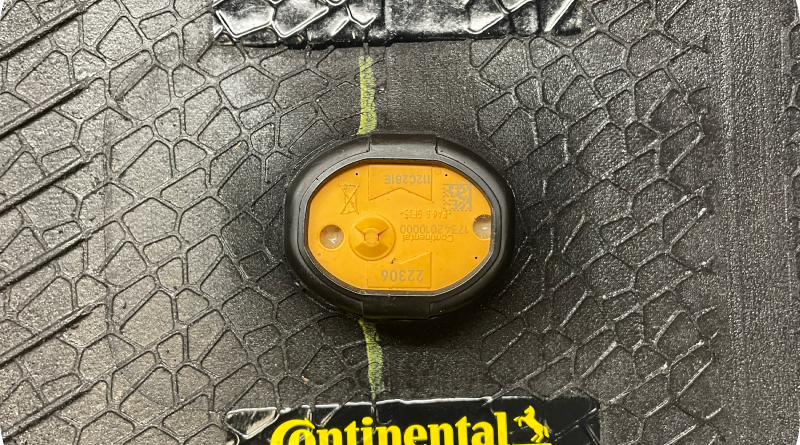
Read MoreContinental Tires Americas unveiled Sensor Ready tires—a new generation of tires designed to make tire monitoring faster, simpler, and more reliable for fleets of all sizes. With more than 121,000 connected wheel positions in the Americas and millions of tires connected globally, Continental continues to advance the industry through scalable, data-driven solutions that improve fleet safety, efficiency, and uptime.
Read MoreContinental has developed a highly efficient tire for French automotive manufacturer Renault Group that significantly increases the range of its electric vehicles. As part of a strategic partnership, a tire was created for Renault Group’s innovation teams with up to 35% lower rolling resistance than required for the EU tire label’s top A rating. For a vehicle with a battery range of 500 kilometers, this translates to approximately 30 additional kilometers of range per charge – roughly the distance from Paris to Versailles.
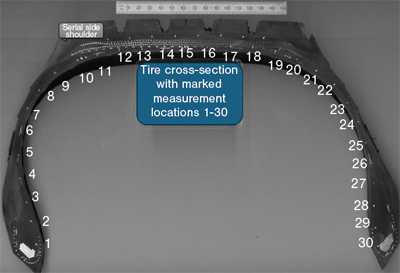
Read MoreIn this study, the Keyence digital microscope has been used to measure component gauges of tire cross-sections, and specifically the
Read MoreThe global automotive industry is transitioning from a linear model to a circular economy to mitigate its environmental footprint. Tires,
Read MoreCritical tire performance factors continue to be inflation pressure retention, low rolling resistance, load carrying capacity and information systems connectivity.
Read MoreQuinonediimine (6QDI) has been introduced as a multifunctional, cost saving additive for sulfur vulcanizable diene rubber compounds
Read MoreHanover, Germany – Continental is pushing forward with efforts to reduce tire wear by using innovative technologies, carrying out cutting-edge
Read More