Thermoplastic Elastomers & Urethanes

Newsrss3Thermoplastic Elastomers & Urethanes

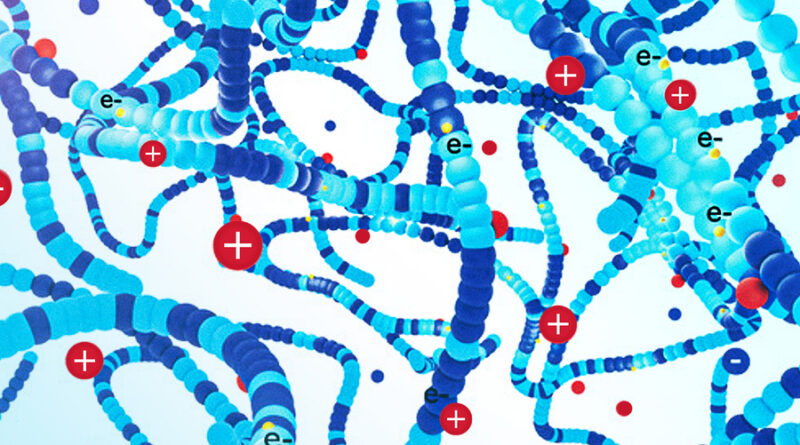
Huntsman extends automotive portfolio with intumescent coating

Huntsman has launched a new intumescent polyurethane coating system developed for automotive applications, which can provide passive fire protection to metal and composite substrates used in electric vehicles (EVs) – without compromising design flexibility. POLYRESYST® EV5005 polyurethane coating system has been developed to help protect structural integrity and improve fire protection in battery cells – a key challenge in the automotive industry.

Read More
ArticlesFeaturedThermoplastic Elastomers & Urethanes

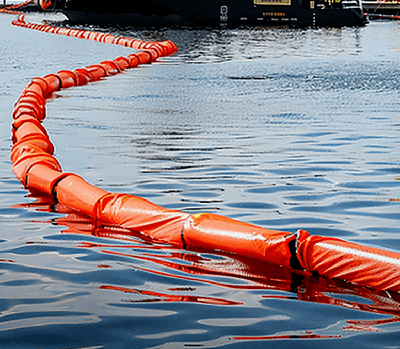
Surface modified polyester polyurethane foams with varying pore sizes for decanted water treatment in oil spill response

Testing of two polyurethane foams as absorbants for oil spill remediation is examined, and a surface treatment to enhance oil removal efficiency is explored by the authors. This work is said to be crucial in determining the optimal foam formulation for oil spill cleanup.

Read More
Newsrss1Thermoplastic Elastomers & Urethanes

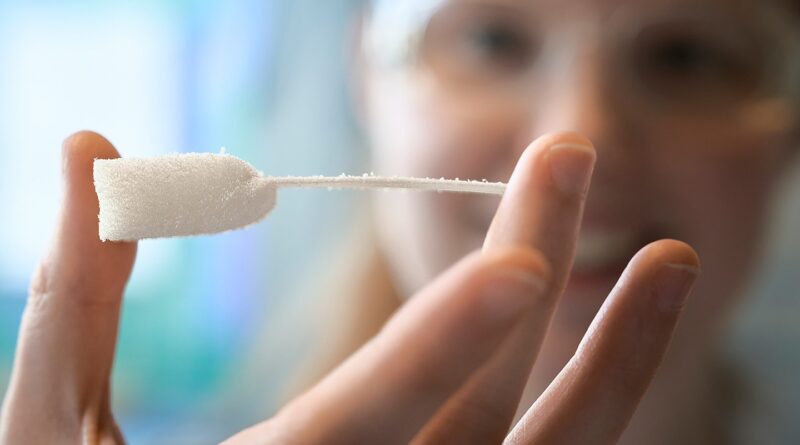
Polyurethane with shape memory: From foil to foam

Researchers at the Fraunhofer Institute for Applied Polymer Research IAP have developed a foil that changes into polyurethane foam (PU foam) when heated – entirely without health risks. The foil allows for isocyanate-free foaming, thus improving workplace safety. Additionally, it offers logistics advantages for storage and transportation. The material can be customized for various applications ranging from the automotive and construction industries to packaging.

Read More
Automotive Elastomers & PartNewsrss1Thermoplastic Elastomers & Urethanes

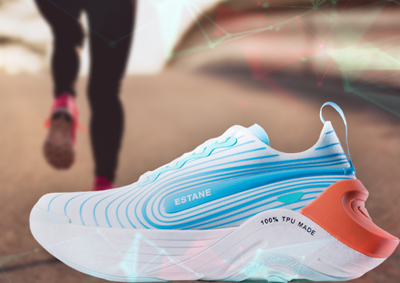
Continental develops a synthetic rubber to reduce hydrogen ion leakage

Continental has developed a line for cooling in the hydrogen powertrain of commercial vehicles, which considerably reduces the penetration of ions into the media circuit. The synthetic rubber line has a mixture of materials whose special properties make them less susceptible to the leaching of ions from the line material. This reduces the transfer of ions into the cooling circuit of hydrogen drive systems. The material experts from the group sector ContiTech have solved one of today’s greatest challenges in the industrialization of this still least common alternative form of drive system. The product innovation increases the service life of vehicle components in hydrogen drive systems.

Read More