
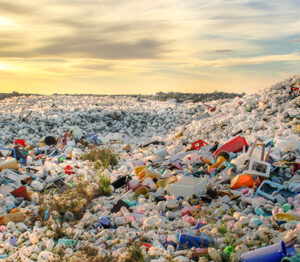
Scientists pioneer low-temperature method to transform plastic waste into clean fuel
Richmond, WA – In a groundbreaking study published in Science, an international team of researchers has unveiled a novel low-temperature process that converts polyvinyl chloride (PVC) and polyolefin waste into chlorine-free liquid hydrocarbons and hydrogen chloride (HCl), offering a cleaner and more efficient alternative to traditional plastic disposal and recycling methods.
Led by Wei Zhang of East China Normal University (ECNU), the research team included scientists from the U.S. Department of Energy–funded Pacific Northwest National Laboratory (PNNL), Columbia University, and the Technical University of Munich. Their collaborative effort addresses one of the most pressing environmental challenges: the safe and sustainable disposal of PVC, a plastic notorious for its high chlorine content and resistance to degradation.
Traditional methods of PVC disposal, such as incineration and pyrolysis, require high-temperature dechlorination to avoid releasing toxic compounds like dioxins. These processes are energy-intensive and often economically unfeasible for mixed or contaminated waste streams. The new method, however, uses chloroaluminate ionic liquids to catalyze a tandem reaction at low temperatures, combining dechlorination and carbon-carbon bond cleavage with alkylation and hydrogen transfer. This results in the complete conversion of PVC and polyolefins into usable hydrocarbons without generating harmful byproducts.
PNNL researchers played a key role in developing the catalytic system and reaction conditions. Their expertise in catalysis and chemical engineering helped optimize the process to work under ambient pressure and mild temperatures, making it suitable for real-world waste streams. The lab’s Institute for Integrated Catalysis has long been a leader in advancing sustainable chemical technologies.
Columbia University’s contribution focused on the chemical engineering aspects of the process, particularly the integration of refinery-compatible isoalkanes like isobutane and isopentane. These compounds, commonly produced in existing petroleum refining operations, serve as hydrogen donors and alkylating agents, enabling the transformation of PVC into gasoline-range hydrocarbons.
Meanwhile, the Technical University of Munich provided critical insights into reaction thermodynamics and catalyst design. Their Catalysis Research Center collaborated closely with ECNU and PNNL to ensure the process could be scaled and adapted for industrial applications.
The recovered HCl, a byproduct of the reaction, can be safely reused in various industries, including metal processing, water treatment, and the production of new PVC. This circular approach not only reduces environmental harm but also creates economic value from waste.
The study marks a significant step toward sustainable plastic management and demonstrates the power of international collaboration in tackling global environmental issues. As plastic waste continues to accumulate worldwide, innovations like this offer hope for cleaner, more efficient recycling technologies that align with both environmental and industrial goals.