
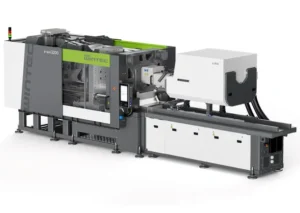
Engel launches global rollout of WINTEC e-win machines
Schwertburg, Austria — The ENGEL Group has begun a global rollout of its all-electric WINTEC e-win injection molding machines and introduced technical upgrades to its two-platen machine portfolio, the company said this week.
The rollout, which started in early April, expands availability of the WINTEC e-win series beyond Asia, where the machines were previously offered. The move is part of a broader effort to align the company’s product portfolio with changing market demands and provide more clearly structured production solutions for plastics processors worldwide.
The e-win series is designed as a standardized, cost-efficient option, complementing ENGEL’s higher-end, customized systems. The machines cover clamping forces from 1,000 to 5,000 kilonewtons and use all-electric drive technology to improve precision and repeatability in manufacturing processes.
According to the company, the electric design reduces energy consumption because power is used only during active machine movements, while eliminating the need for hydraulic oil lowers maintenance requirements and helps maintain cleaner production environments.
ENGEL also highlighted digital assistance systems integrated into the machines, including tools that automatically adjust clamping force, optimize holding pressure and compensate for material fluctuations, aimed at improving process stability and reducing waste.
Alongside the e-win rollout, ENGEL announced updates to its two-platen injection molding machine lines, including the ENGEL duo and WINTEC t-win series.
The ENGEL duo series has been restructured to deliver higher performance with reduced complexity. The company said clamping forces have increased by up to 28% without changing platen sizes, enabling more demanding applications on existing machine platforms. New wide-platen versions have also been introduced to allow the use of larger molds and improve production flexibility.
Meanwhile, the WINTEC t-win series has been upgraded with new injection units that increase performance by up to 38%, shortening filling times and expanding capabilities for large or complex components. The machines are now available globally with clamping forces ranging from 4,500 to 40,000 kilonewtons.
The company said the combined changes are intended to give manufacturers a broader range of options, from highly customized systems to standardized, cost-focused solutions, while maintaining consistent engineering and quality standards across its brands.