Patents for January
Patents as compiled from the USPTO in January
Read More
Patents as compiled from the USPTO in January
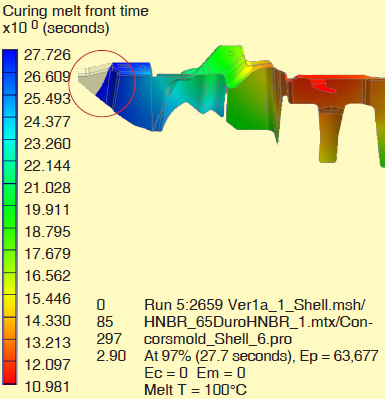
Read MoreOpportunities abound in the rubber industry for polymers/ingredients suppliers, compounders,
processors, designers, mold makers and end users to embrace polymer flow analysis.
Blends of Exxpro and bromobutyl can meet the demands and requirements for low maintenance, low inflation pressure loss rate tires.
Read MorePatent as compiled from the USPTO in December Method of improving pneumatic tire vibration characteristicsU.S. patent: 11,148,486Issued: October 19, 2021Inventors:
Read Moreby Huned Contractor India’s tire industry seeks raw material partners to unleash growth – According to Automotive Tyre Manufacturers Association
Read MoreThe DMYO-V can highlight new
parameters which were not possible to identify in a free oscillation system, such as damping ratio, crosslink density and more.
This molding directory supplement lists suppliers who offer molding equipment, materials and expertise to the rubber industry is only available
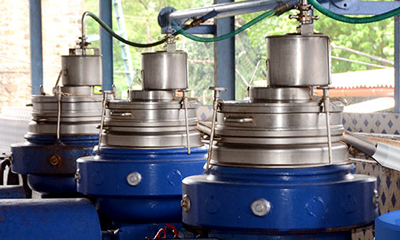
Read MoreCentrifuged latex production in Sri Lanka contributes over 25% of the country’s annual total rubber production. This share is an increasing trend, when the production figures for the last decade are considered. During the centrifugation process, concentrated or creamed latex with dry rubber content of 60% is separated as centrifuged latex, and 5% to 10% of rubber available in the field latex is removed as the diluted fraction. It has 3% to 5% dry rubber content and a high amount of non-rubbers. This diluted fraction is known as skim latex, and the rubber extracted from acid coagulation of skim latex is referred to as skim natural rubber (SNR).
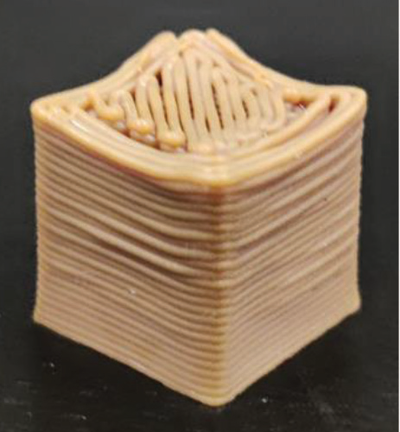
Read Moreby Sarath Suresh Kamath and Jae-Won Choi, The University of Akron Natural rubber, which is mainly composed of poly-cis-isoprene and
Read MoreThe oxidation mechanism of natural rubber was studied using several techniques. In a prior article, it was found that the crosslink distribution (sulfur types including polysulfidic, disulfidic and monosulfidic) in a belt coat (conventional cured natural rubber compound) had a different crosslink distribution, depending on the aging temperature (ref. 1). The belt coat compound extracted from an oven aged (65°C) tire was compared to the belt coat compound extracted from a normal service tire (23°C, the average annual temperature in Phoenix, AZ)
Read More