Patents for July
Patents as compiled by the editors of Rubber World Magazine for July 2022
Read More
Patents as compiled by the editors of Rubber World Magazine for July 2022
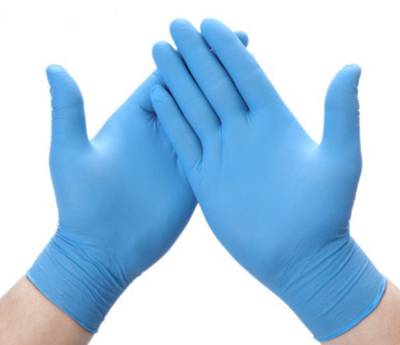
Read MoreThe federal government, particularly the Defense Logistics Agency, recently indicated that its objective is to support the annual U.S. production of 50 billion nitrile gloves to satisfy the most critical U.S. medical PPE requirement. This quantity, while seemingly significant, represents about 11% of the examination gloves produced globally, and 30% of the gloves used in the U.S.
There are more than a handful of glove companies intending to contribute to the satisfaction of this government objective. The polymer designated for the gloves will be acrylonitrile butadiene latex, or nitrile latex. To produce 50 billion gloves, it will take approximately 1.1 billion pounds of nitrile latex. The U.S. presently has limited capability to manufacture nitrile latex. Most of this latex would be manufactured in Korea, Malaysia, Italy and Brazil
Bridgestone Americas and Dow have partnered to develop BSeals, a recyclable, silicone based tire sealant technology. The extended mobility solution was introduced at the 2022 Silicone Expo in Detroit, MI, in June, and represents more than four years of joint research and development between the two companies.
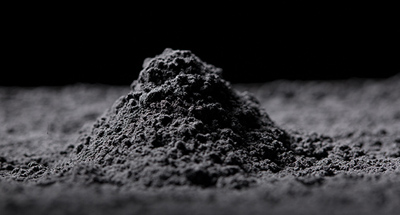
Read MoreThe global carbon black market size was valued at USD 12.61 billion in 2021. The market is projected to grow from USD 13.22 billion in 2022 to USD 18.09 billion by 2029, exhibiting a CAGR of 4.6% during the forecast period. The global COVID-19 pandemic has been unprecedented and staggering, with carbon black experiencing lower-than-anticipated demand across all regions compared to pre-pandemic levels. Based on our analysis, the global market exhibited a decline of -11.5% in 2020 as compared to 2019 according to Fortune Business Insights
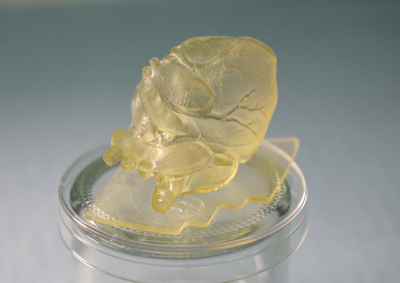
Read MoreUCLA materials scientists and colleagues at the nonprofit scientific research institute SRI International have developed a new material and manufacturing process for creating artificial muscles that are stronger and more flexible than their biological counterparts.
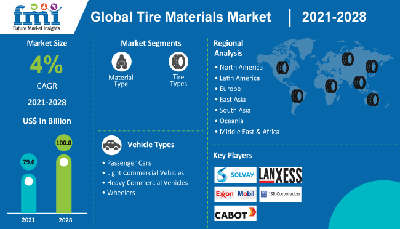
Read MoreThe global tire materials market is projected to reach US$ 78.96 Bn by 2022, exhibiting growth at a CAGR of 4% during the forecast period according to Future Market Insights (FMI). The global tire materials market is estimated to create an incremental opportunity of US$ 99.99 Bn by the end of 2028. Shifting preference towards the production of sustainable green tires is expected to complement the growth in the market.
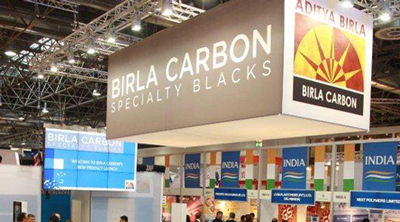
Read MoreBirla Carbon, one of the leading producers of sustainable carbon based solutions globally, will participate in the Expobor International Rubber Technology Show 2022, to be held June 22–24, 2022, in Sao Paulo, Brazil.
Read Moreby Kevin Kulbaba, Dana Adkinson, Greg Davidson and Sarah Elliott, Arlanxeo Butyl rubber (IIR) is formed from the cationically initiated
Read MoreHigh temperature vulcanization (HTV) silicone rubber is the polymer of choice with regard to housing material for high voltage applications. The requirements are challenging due to harsh environmental conditions like UV irradiation, humidity, industrial pollution, etc. The tracking and erosion performance of the compound needs to be evaluated to ensure the long term performance of the high voltage insulator. Another key aspect to increase the durability of the insulator is the resistance against nitric acid, as this is formed by a combination of unavoidable corona discharges in overhead power lines and atmospheric humidity.
Read MoreCR silicone՚s unique properties allow it to be used in many niche ways. These unique properties include temperature stability, weatherability, compatibility and processing ease. Silicone has a very low starting durometer in its raw state. High levels of reinforcing filler are typically needed to obtain high durometer specifications. Additionally, physical properties of silicone are generally lower than most other elastomers. This can often cause difficulties in meeting tear, modulus, compression set or dynamic property application requirements. Application segments for silicone include automotive, wire and cable, architectural,
aerospace, consumer products and medical devices.