Articles

ArticlesFeatured

Design and process parameter definitions

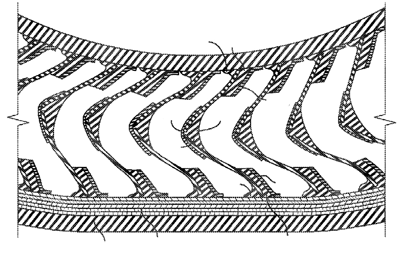
ond interview (published in the April 2022 issue of Rubber World) detailed the development and characterization of polymers for polymeric development through computer modeling. This third interview discusses parameters needed to guide product development. Future interviews will discuss polymer product design, analysis and optimization using finite element analysis, and product manufacturing establishment, simulation and fine tuning in molding, extrusion and thermoforming of thermoplastics and thermosets, rubber and plastics

Read More
Carbon Black, Silica & Reinforcing MaterialsNewsrss2

Birla Carbon announces major capacity production plans

Birla Carbon announced an additional 200 kMT capacity expansion across key markets. Based on customer demand and feedback, the expansion will cover strategic markets in Europe, India, and China in support of both rubber and specialty applications. The expansions are expected to be complete in the calendar year 2024. dding capacity for surface treatment of high-value specialty materials in India, serving customers in critical applications like water-based coatings in line with sustainability-driven industry trend

Read More
ArticlesExtrusionFeatured

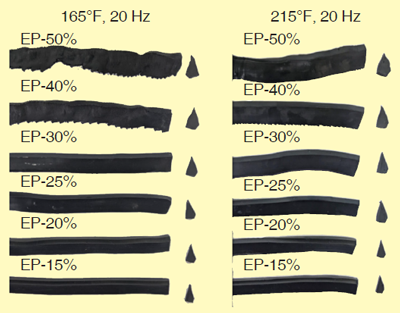
Optimizing cost savings in EPDM extrusion compounds

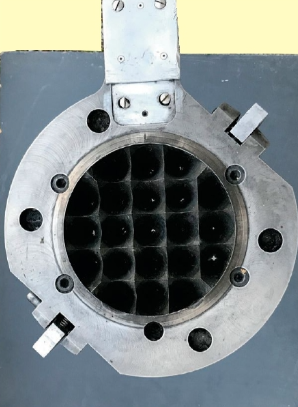
EPDM has not been immune to significant price increases, material shortages and allocations. As extrusion expenses are dominated by material cost and throughput, price and efficiency are of the essence. One of the most common ways to improve cost efficiencies in extrusion compounds is to lower material cost by extending the polymer as much as possible using high amounts of filler, for which EPDM is perfectly suited. The other option to decrease costs is to run more product in the same amount of time, requiring a material with higher extrusion rates.

Read More
ArticlesFeatured

Evaluation of resilient graphitic carbon in a lip seal formulation

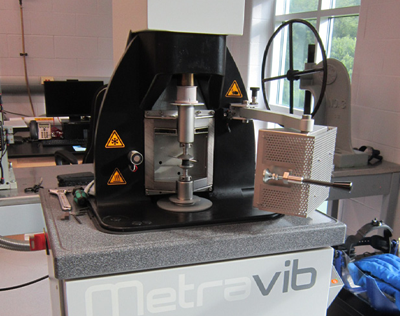
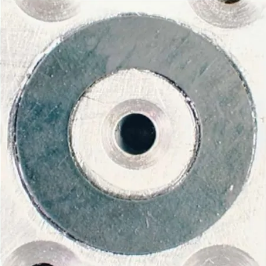
The potential of Superior Graphite (RGC39A graphite) in a model lip seal formulation was evaluated for abrasion resistance for a wide range of loads. The abrasion testing was based on the ASTM D3702 test method for wear rate and coefficient of friction (COF) of materials in self-lubricated rubbing contact using a thrust washer testing machine. The role of graphite type on key properties was determined. The evaluations included tensile properties, hardness, Phillips dispersion, abrasion resistance and coefficient of friction. The abrasion and COF test varied the counter surface conditions (dry, wet and oily) and the load (pressure) from 30 to 625 psi.

Read More