Articles

Newsrss2Tire Technology & Manufacturing

Six of the world’s ten most successful electric vehicle manufacturers rely on Continental tires

Continental is expanding its market share in the tire segment for fully electric vehicles In 2020, six of the world’s ten highest-volume manufacturers of electric vehicles relied on the high technological expertise of the premium tire manufacturer for their original equipment. These included Tesla with its Model 3 and Model S and Volkswagen with the ID.3. Also Asian manufacturers, for example BYD, one of China’s largest car producers, rely on Continental tires as original equipment for their electric vehicles. This underscores the product strategy and quality of the company’s products in the electromobility segment

Read More
Market ReportsNewsrss6Silicone & Medical

Construction silicone market in the Americas forecast at $1.2 billion by 2025

America’s construction silicones market size is forecast to reach around $1.2 billion by 2025, after growing at a CAGR of 6 percent during 2020-2025. Silicones are polymers composed of many repeated subunits of siloxane. An increase in the standard of living has increased the construction activities in America, which in turn boosted the use of silicone for adhesives and tapes. Silicone rubbers are also used as a sealant in windows and doors to insulate the building from heat and moisture. Moreover, rising environmental concerns and the presence of substitutes such as urethane based sealants and polysulfide sealants act as a restraining factor for the growth of America’s construction silicones market.

Read More
Newsrss1Thermoplastic Elastomers & Urethanes

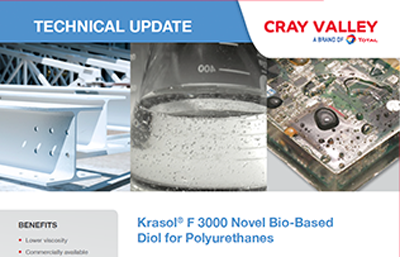
Total Cray Valley industrializes sustainably sourced Krasol diols

Total Cray Valley is expanding its hydroxyl-terminated diene resin portfolio with the industrial introduction of sustainably sourced farnesene-based resins, Krasol F3000 and Krasol F3100. The Krasol product line is known in the market as a source of well-defined hydroxyl-terminated liquid poly(butadiene) diol and monol grades. These materials are used in a variety of end-use applications as components in urethane, epoxy and UV-cured adhesive and sealant formulations for the automotive and electronic markets. The diene backbone incorporates hydrophobic quality and chemical resistance, as well as elastomeric softness and low-temperature performance.

Read More
Newsrss3Testing & Instruments

Smithers adds high load universal testing machine to Akron testing laboratory

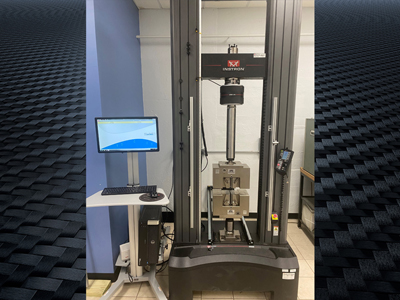
Smithers announces the addition of an Instron 5985 universal testing system to its materials physical testing laboratory in Akron, OH.
The machine offers expanded testing capabilities and parameters for tensile, compression, bend, peel, shear, tear and cyclic tests. Its high-force load frame has a load capacity up to 250 kN and vertical test space of 1,430 millimeters (56.3 inches).

Read More
Newsrss1Silicone & Medical

Wacker will manufacture upstream products for building protection agents and binders at its Nünchritz site

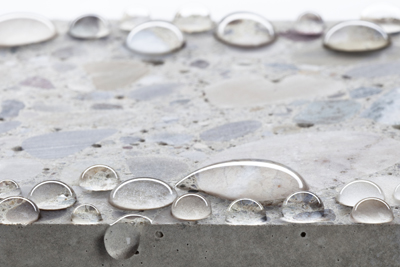
Wacker Group has started to build a liquid resins unit at its Nünchritz site. This unit will supply key upstream products for formulating silicone based building protection agents and binders for exterior paints and industrial coatings. At the moment, only Wacker’s Burghausen site produces these substances. Scheduled to go on stream at the end of 2022, the new unit will close important material loops and so further increase the cost-effectiveness of Wacker’s integrated production system. Capital spending amounts to some €30 million.

Read More
ArticlesExtrusion

CPE: A unique polymer for rubber and plastics extrusion

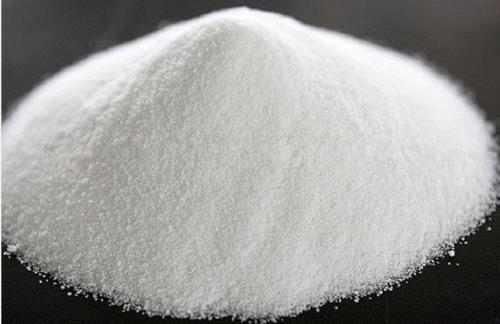
Chlorinated polyethylene (CPE) polymers were developed by DuPont in the late 1950s by a simple chlorination of polyethylene (PE) in a solution process using a solvent. In 1971, Dow Chemical Company introduced Tyrin CPE using a more efficient and cost-effective aqueous suspension chlorination known as the slurry process. The polyethylene feedstock is in a powder form and the final CPE product remains in powder form. The chlorination process can be modified to produce amorphous (non-crystalline) products or products that contain residual crystallinity

Read More
ArticlesFeaturedLatex and Natural Rubber

CO2-switchable materials for the rubber industry

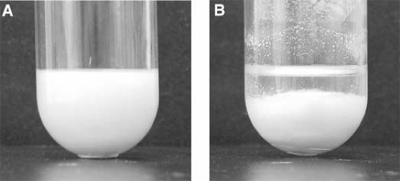
Recent developments in stimuli-responsive or “smart” materials offer the opportunity for major advances in material design that could impact markets for latexes. One of the lesser known, but simpler technologies includes polymers and latexes whose properties can be dramatically, and reversibly, switched simply by adding or removing CO2. The processes used offer advantages in sustainability without requiring expensive materials or catalysts, and are based on currently used materials and production methods. This article will give a general overview of three examples relevant to latexes and coatings

Read More