Articles

Newsrss1Silicone & Medical

Dow introduces three new silicone technologies for automotive electronics

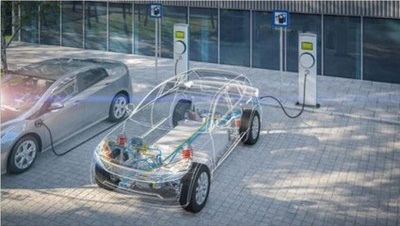
Dow introduced three new silicone technologies for electric and hybrid-electric vehicle electronics applications. These innovative new products – DOWSIL™ TC-2035 CV Adhesive, DOWSIL™ TC-4551 CV Gap Filler and DOWSIL™ TC-4060 GB250 Thermal Gel – increase the already high value and versatility of Dow’s silicones portfolio to meet the evolving needs of automotive electrification. Advanced features of these DOWSIL™ products include reliable performance, high thermal conductivity, controlled volatility for very efficient heat dissipation, and easy processing for enhanced productivity.

Read More


Market ReportsNewsrss6Silicone & Medical

Global silicone resins market size is expected to reach $6.3 billion by 2026

The global Silicone Resins Market size is expected to grow from USD 4.8 billion in 2021 to USD 6.3 billion by 2026, at a CAGR of 5.5% during the forecast period. The driving factors for the silicone resins market is increased involvement of silicone resins in the industrial segment, and the building & construction, automotive & transportation, and electronic industries in emerging economies. This driving factor is boosting the demand for silicone resins industries.

Read More
ArticlesFeaturedThermoplastic Elastomers & Urethanes

HeatBoss EPDM: High heat resistant EPDM promising for SAE J200 applications

In modern cars, the space for the engine compartment is continuously shrinking for both functional and aesthetic reasons. Increasing vehicle compactness by reducing the space available for design engineers results in hotter engine components which restrict the rubber materials that can be used. This has boosted a fast growing demand in the rubber industry for elastomer parts with durability and increased resistance to temperature extremes. Among elastomers, silicone elastomers and fluoroelastomers show very effective heat resistance resulting from the strong Si-O and C-F bonds present in their chemical structure. However, the main drawbacks are their high price and high processing cost that make compounding, molding and final production very expensive

Read More
ArticlesFeaturedSilicone & Medical

Part design simulations for silicone rubber components

The successful design of medical device components is increasingly dependent on simulations based on finite element analysis (FEA). Simulations provide a rapid and cost-effective way to determine optimal construction of multi-component systems, as well as information on how components interact with each other during use. Investing in accurate, early design simulations can provide significant resource savings by decreasing the amount of iterative loops necessary in the prototype process to validate the overall device design for FDA or other governing body approvals.

Read More
ArticlesAutomotive Elastomers & PartFeaturedOil, Gas & Energy

Seals prevent bearing damage in EVs

Freudenberg Sealing Technologies’ new generation electrically conductive seals prevent bearing damage caused by electrically induced corrosion, and also increase electromagnetic compatibility. Electric cars with drive systems that operate at 800 volts instead of the usual 400 can recharge in just 15 minutes, and produce enough power to drive several hundred kilometers. The power semiconductors in the inverter ensure that the direct current stored in the battery is converted into the alternating current required by the electric motor while driving. These power electronics are often positioned directly above the electric motor, and are also known as electric engine injection systems.

Read More
ArticlesFeaturedSilicone & Medical

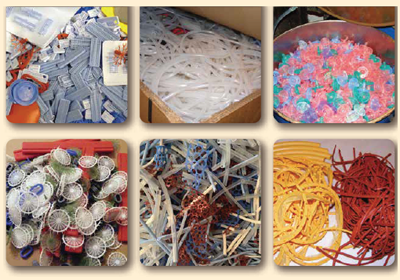
An overview of the silicone recycling process

With global annual production of silicone expected to grow to 2.9 million tons by 2025, it is increasingly important to have an environmentally-friendly end-of-life option for silicone products. The current solution for discarding silicone scrap is to either landfill or incinerate it. Both of these are detrimental choices for the environment.

Read More
ArticlesFeaturedSilicone & Medical

Effects of aerosil on the properties of silicone rubber

Silicones or polysiloxanes belong to a class of elastomers and are often referred to as silicone rubber. The prevailing type of polysiloxanes is polydimethylsiloxane (PDMS). Development began in 1940 when Eugene G. Rochow and Richard Müller independently developed the synthesis of methylchlorosilanes directly from elemental silicon. This discovery marked the beginning of a series of important findings on a new class of materials, namely silicone elastomers. The first silicone based product was a coating for the airplane industry, presented in 1942 by Dow. Presently, silicones are used in thousands of applications. Worldwide, the market for silicone consumption shows steady growth year after year

Read More