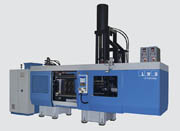
Silicone injection molding machine market forecast at $375 million by 2025
Pune, India – According to Market Study Report, LLC, over the next five years the Silicone Injection Molding Machine market
Read More
Pune, India – According to Market Study Report, LLC, over the next five years the Silicone Injection Molding Machine market
Read MoreThe first silicone rubber recycling plant in the U.S. has completed phase one of development. Started in 2018, ECO USA’s pilot facility has undergone tremendous growth. It can currently recycle approximately 500 metric tons of silicone monthly, with plans for reaching 1,000 metric tons in the near future. The success comes at a pivotal moment when a surge of silicone waste is being observed as a result of the increase of silicone usage in product manufacturing
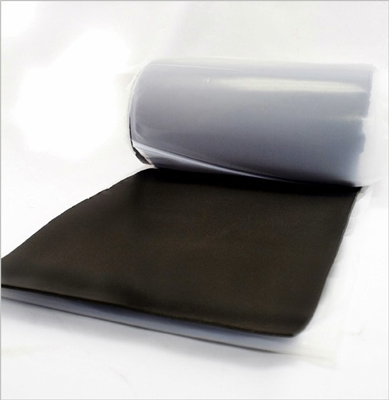
Read MoreNickel-aluminum fluorosilicone that combines EMI shielding with fuel, solvent and galvanic corrosion resistance, has been independently tested to 40 GHz and can be used with military electronic products that need to meet MIL-DTL-461 5.18 RE103 requirements for controlling electromagnetic interference (EMI). SSP’s EMI fluorosilicone has also been independently tested to MIL-DTL-83528 for elastomeric shielding gaskets, and to ASTM E595 for outgassing.
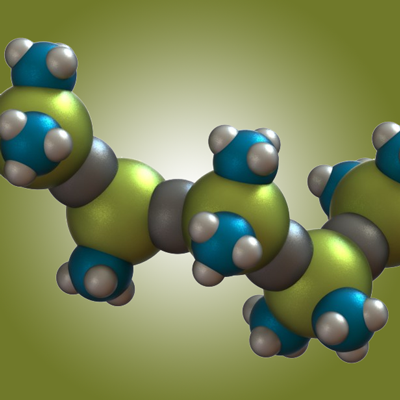
Read MoreExSil silicone nanocomposites are the first in a series of ultrahigh elongation materials that achieve their unique mechanical properties via a radically different mechanism than traditional silicones. Traditional silicones rely on formation of chemically crosslinked chain networks for their elastomeric properties. ExSil nanocomposites, on the other hand, rely on mechanically interlocked polymer chains.
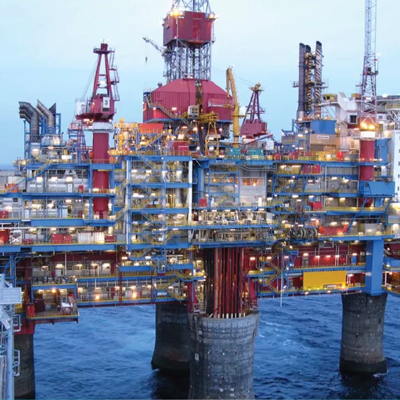
Read MoreSilicone rubber has decades of field history in high temperature automotive uses, exterior glazing and fenestration, and other demanding applications, but is only recently being used for passive thermal insulation coatings on various subsea structures in oil and gas production.
Read MoreSilicone has always been a superior polymer for heat stability. Its ability to withstand higher temperatures than any other polymer has prompted its growth in high heat applications, such as automotive. Many high temperature applications are also exposed to chemicals. Many VMQ silicones alone cannot meet the chemical resistance specification on these applications. Therefore, specialty fluoropolymers are used in these applications where high temperature and chemical resistance are needed.
Read More