Energy impact of fillers in latex wall coatings
Performance of inorganic fillers in a latex wall coating is evaluated. Material performance properties analyzed include reflectance, emittance, tensile and
tear.
Performance of inorganic fillers in a latex wall coating is evaluated. Material performance properties analyzed include reflectance, emittance, tensile and
tear.
Challenges to producing nitrosamine and nitrosatable safe natural latex products are described by the author.
Read MoreImproving the balance between wet grip, rolling and wear resistance using performance hydrocarbon resins as an alternative to treated distillate aromatic extracted oil in tire tread compounds is examined.
Read MoreThe objective here is to provide a list of common latex types, their key characteristics, and a summary of their useful properties and contributions. It is unlikely that the summary will capture all the salient points of each latex type; but it should provide enough information to be useful if called upon to deliver a “30 second commercial.”
Read MoreLatex Today with Jim Flinn I was recently asked if I would be willing to prepare and present a 45
Read MoreNatural rubber masterbatch was aged at different temperatures, and the effect of aging conditions on masterbatch, final batch, Mooney scorch and cure characteristics, and cured sample was studied.
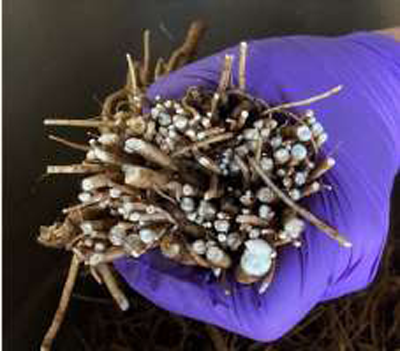
Read MoreLatex purification methods have been developed from TK roots, adapting methods used for the guayule shrub.
Read MoreNatural rubber is an electrically insulating material, but introduction of conductive fillers like carbon based materials (carbon black, graphite, carbon nanofibers or nanotubes) or metal fillers can increase the conductivity of the resulting composite. These materials are frequently used for electromagnetic/radiofrequency interference (EMI/RFI) shielding, and laboratory and military uses.
Read MoreResearchers from North Carolina State University have demonstrated a new technique for directly printing electronic circuits onto curved and corrugated surfaces. The work paves the way for a variety of new soft electronic technologies, and researchers have used the technique to create prototype “smart” contact lenses, pressure-sensitive latex gloves, and transparent electrodes.
Read MoreContinental pursues a holistic approach to make the complex and fragmented supply chains for natural rubber more sustainable: The latest digital technologies, local involvement in the cultivation of rubber, and close cooperation with strong partners are aimed at creating more transparency along the entire value chain. “We actively take responsibility in our supply chains. Only when natural rubber is responsibly sourced, we consider it a sustainable material,” says Claus Petschick, Head of Sustainability at Continental Tires. As of today, completely seamless traceability of natural rubber is technically impossible due to the high complexity of the supply chain. With its commitment, Continental is working at full speed on a blueprint for the sustainable and responsible structuring of supply chains.
Read More