Articles

Newsrss1Tire Technology & Manufacturing

Michelin and Northrop Grumman partner to equip future lunar vehicle with airless tires

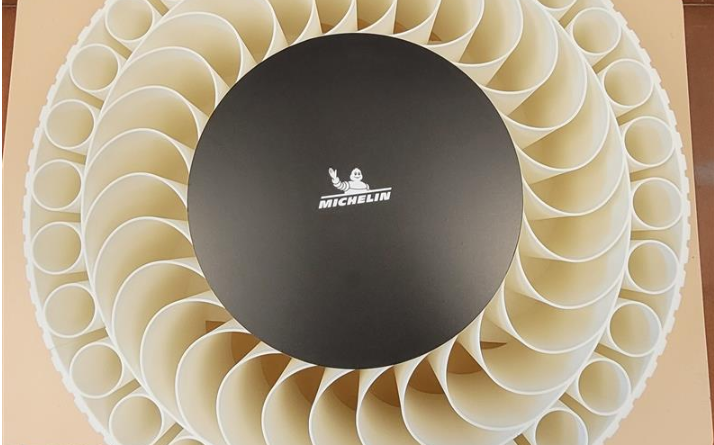
An airless tire to equip the future lunar vehicle: this is the new challenge taken on by Michelin, in conjunction with the team formed by Northrop Grumman, within the framework of a tender from NASA last November. A model of the future lunar vehicle was revealed to the general public for the first time at the Consumer Electronic Show (CES) in Las Vegas this past January.

Read More

Automotive Elastomers & PartNewsrss2

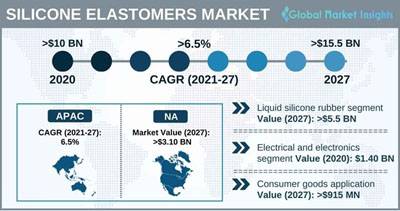
Wacker receives IATF certification for silicone manufacturing 

– WACKER is forging ahead with the specialization of its silicone business in the field of electromobility. Parts of its silicone production have now been successfully certified to the automotive standard IATF 16949. As a result, WACKER can now supply automobile manufacturers and OEMs with silicone products that have been developed and manufactured according to IATF-certified processes. The certificates apply to selected company parts at the Burghausen site in Germany and Zhangjiagang in China. Corporate functions that support and control the manufacturing process were also certified.

Read More
Newsrss1Tire Technology & Manufacturing

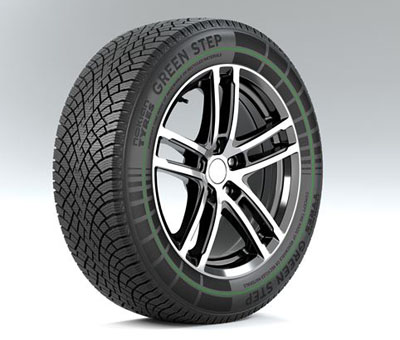
Nokian Tyres introduces Green Step concept tire made from 93 percent recycled or renewable materials

Nokia, Finland – Nokian Tyres reaches yet another milestone, as it introduces its most sustainable tire yet. The Nokian Tyres Green Step concept tire is a masterpiece of sustainable innovation with its ambitious design consisting of 93% of the materials either recycled or renewable. It moves the company even closer to its goal: by the year 2030, 50% of all raw materials used in Nokian Tyres’ tires will be recycled or renewable.

Read More
ArticlesFeaturedTesting & Instruments

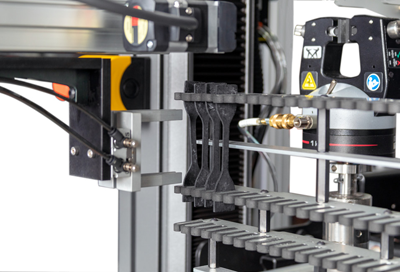
How to increase throughput when testing elastomers

When elastomers are being used in a manufacturing process, it is important to verify their physical properties by performing testing
at all stages of production. When researching and developing new elastomers, such as those used in tires, extensive testing is required to verify and validate each elastomeric compound. Research and development facilities for elastomeric materials will sometimes go through hundreds or thousands of specimens before moving on toward production. During production, testing is typically performed for quality control purposes

Read More
ArticlesFeaturedTesting & Instruments

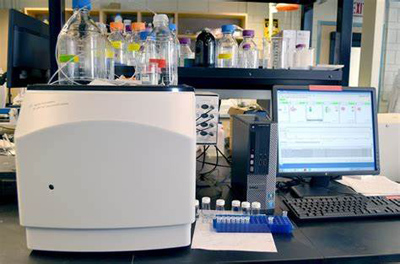
Application of advanced gel permeation chromatography to the characterization of styrenic copolymers

Products produced by anionic polymerization of nonpolar monomers, such as polybutadienes (BR), polyisoprenes (IR), solution styrene butadiene rubbers (SSBR) and styrenic block copolymers (SBC), already dominate important positions in industries. Examples include thermoplastic elastomers, adhesives, impact modifiers, lubricant modifiers, vulcanized compounds, asphalt modification and others. SBCs combine the properties of a thermoplastic resin, polystyrene and those of an elastomer, polybutadiene, polyisoprene or poly(ethylene-co-butylene). SBCs derive their useful properties from their ability to form distinct styrene (hard phase) and diene (rubber phase) domains

Read More
ArticlesFeaturedTesting & Instruments

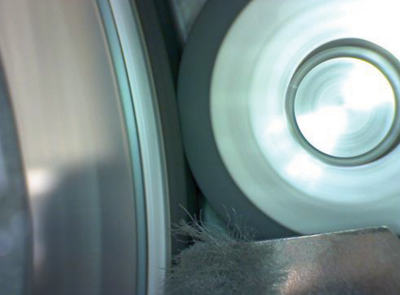
Optimized laboratory test condition to predict tire tread wear

Research on the mechanism of tire wear and its rubber test methods has been carried out for more than a century, ever since the advent of pneumatic tires, and there are still numerous new reports being published even now. ISO 23794:2015 standardizes the general outline of 14 types of rubber wear test methods, such as the Akron wear test, the Lambourn wear test and the DIN wear test. The Akron wear test and Lambourn wear test, which introduce slippage between the pavement surface and the rubber sample, are suitable for evaluating tire tread wear resistance. Historically, Lambourn was the first to propose a laboratory wear tester that correlated with tire wear test results

Read More